


The History of Lab-Grown Diamonds
In the 1950s, scientists began experimenting with creating diamonds in laboratories using high pressure, high temperature (HPHT) processes. General Electric became a pioneer, producing small gem-quality diamonds in 1954.
By the late 1990s, lab-grown diamonds appeared in the jewellery market. In the early 2000s, CVD emerged as a viable alternative, enabling larger, high-quality diamonds. Today, they sit alongside mined diamonds in fine jewellery worldwide.
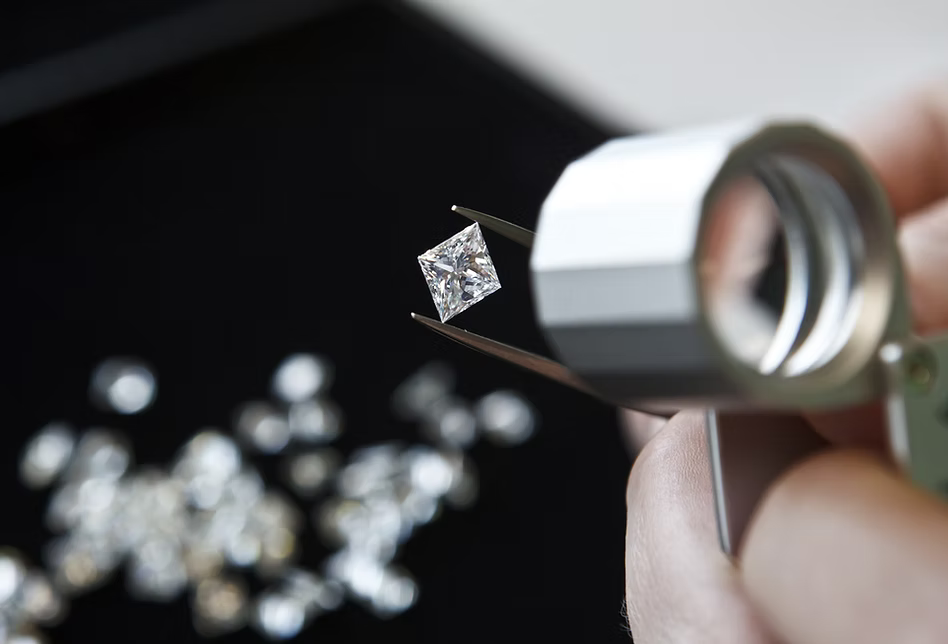
Only the Top 2 Grades — Nothing Less
At Elaara Diamonds, we carefully hand-pick our CVD lab-grown diamonds and the lab we procure them from, ensuring they meet our highest standards.
All of our certified lab-grown diamonds are of exceptional quality — we only carry the top 2 grades in clarity and colour.
To stay true to our value of being environmentally friendly, we do not carry diamonds grown via HPHT, as that method consumes more energy.
Chemical Vapour Deposition (CVD)
CVD is the most modern and advanced method used to produce lab-grown diamonds, depositing carbon atoms onto a substrate under controlled conditions. It begins with carbon-rich gases such as methane and hydrogen, along with a diamond seed.
The gases are activated using microwaves, lasers, or hot filament heaters, breaking molecular bonds and releasing carbon atoms that settle onto the seed layer by layer.
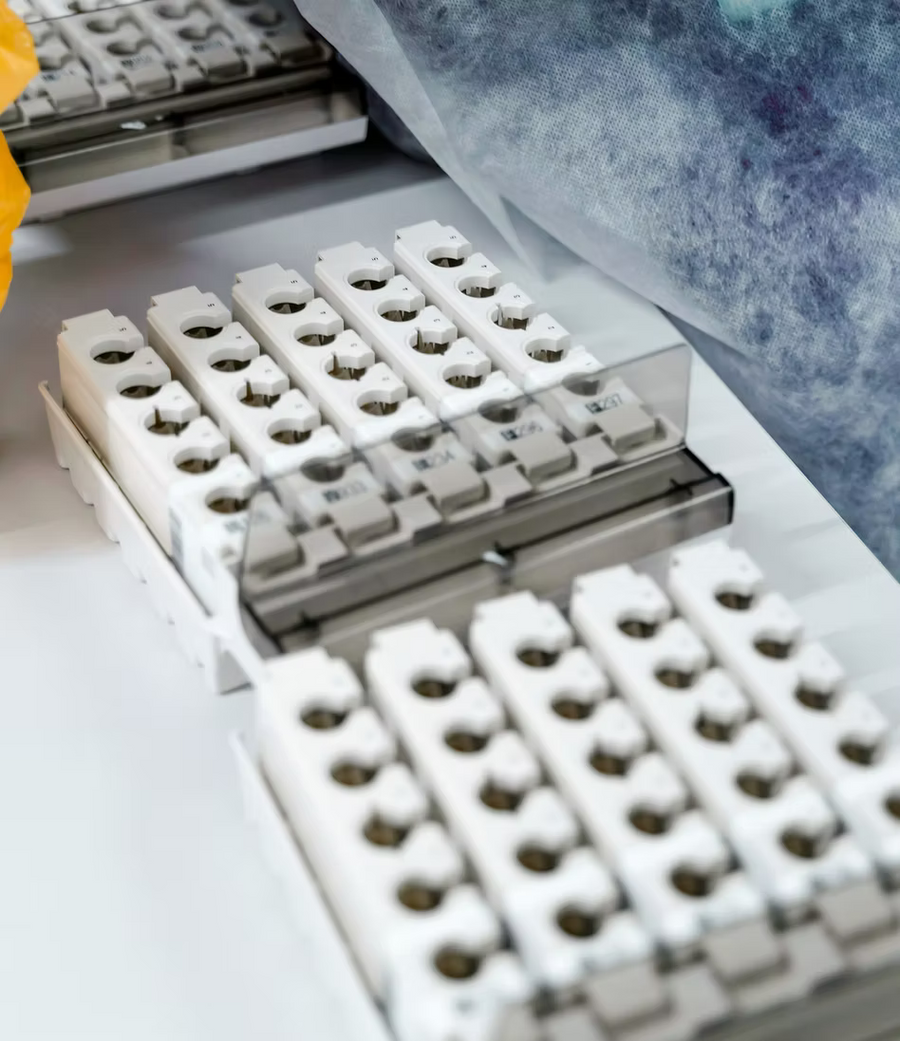
How a Diamond Forms
The Seed
A diamond substrate is placed in the chamber to begin growth.
Gas Mixture
Carbon-rich gases like methane and hydrogen fill the reactor.
Activation
Microwaves or lasers break the bonds, releasing carbon atoms.
Crystallisation
Atoms settle at 700 to 1200°C, forming a crystal identical to a mined diamond.
Your Project, Our Priority. Request in Gold.
Share your requirements and our experts will provide a
custom quote tailored to your needs.